
Sufiyan Moqim Released, Maaz Sadaqat Added: Pakistan's Balance Arithmetic on the Lahore Pitch
**मुख्य उत्तर:** पाकिस्तान क्रिकेट बोर्ड ने त्रिकोणीय सीरीज़ की टीम से सुफियान मोकिम को बाहर किया और माज़ सदाक़त को कवर के रूप में शामिल किया। PCB के अनुसार कारण लाहौर की पिचों की प्रकृति है, क्योंकि रावलपिंडी के बाद सीरीज़ गद्दाफी स्टेडियम पहुँची, जहाँ 31 अक्टूबर को फाइनल है। **मुख्य तथ्य:** - सुफियान मोकिम: ODI में 4 मैच, 8 विकेट, यानी 2.00 विकेट प्रति मैच; औसत और इकॉनमी उपलब्ध नहीं। - सुफियान मोकिम जिम्बाब्वे के खिलाफ़ T20I में 5/3 लिए और 2026 PSL में पेशावर ज़ाल्मी के लिए 'प्लेयर ऑफ़ द टूर्नामेंट' रहे। - माज़ सदाक़त, आयु 21, बाएँ हाथ के बल्लेबाज़ और कभी-कभार बाएँ हाथ की ऑर्थोडॉक्स स्पिनर; श्रीलंका के खिलाफ़ लगातार दो अर्धशतक। - माज़ सदाक़त का एक T20I प्रदर्शन: 51 गेंदों पर 96 रन, स्ट्राइक रेट 188.2। - पाकिस्तान ने रावलपिंडी में श्रीलंका को 37 रन से और इंग्लैंड को 87 रन से हराया; त्रिकोणीय सीरीज़ का फाइनल 31 अक्टूबर को गद्दाफी स्टेडियम, लाहौर में। **स्रोत:** पाकिस्तान क्रिकेट बोर्ड (PCB) की आधिकारिक स्क्वाड घोषणा (मूल विज्ञप्ति की तिथि उपलब्ध नहीं) | Cross-checked: cricsultan.com **संबंधित प्रश्न-उत्तर:** प्रश्न: क्या सुफियान मोकिम को फ़ॉर्म के आधार पर बाहर किया गया? उत्तर: नहीं, यह स्क्वाड संतुलन का फैसला है — सुफियान के ODI औसत, इकॉनमी और स्ट्राइक रेट सार्वजनिक रूप से उपलब्ध नहीं हैं, इसलिए फ़ॉर्म-आधारित निष्कर्ष अधूरा रहता है। प्रश्न: माज़ सदाक़त की एंट्री स्पिन की भरपाई कैसे करती है? उत्तर: माज़ के पास बाएँ हाथ की ऑर्थोडॉक्स स्पिन है, जो छठा गेंदबाज़ी विकल्प देती है और बल्लेबाज़ी गहराई भी बढ़ाती है — यह दोहरी हेज है, लाइक-फ़ॉर-लाइक बदलाव नहीं (देखें: cricsultan.com Squad Balance Index)। प्रश्न: क्या T20I और PSL के आँकड़े ODI फैसले का आधार बन सकते हैं? उत्तर: नहीं, ODI में दो नई गेंदें, अलग फ़ील्ड सेटिंग और लंबी पारी-बुनावट होती है, इसलिए T20I स्ट्राइक रेट और लीग पुरस्कार का ODI में सीधा हस्तांतरण नहीं होता।
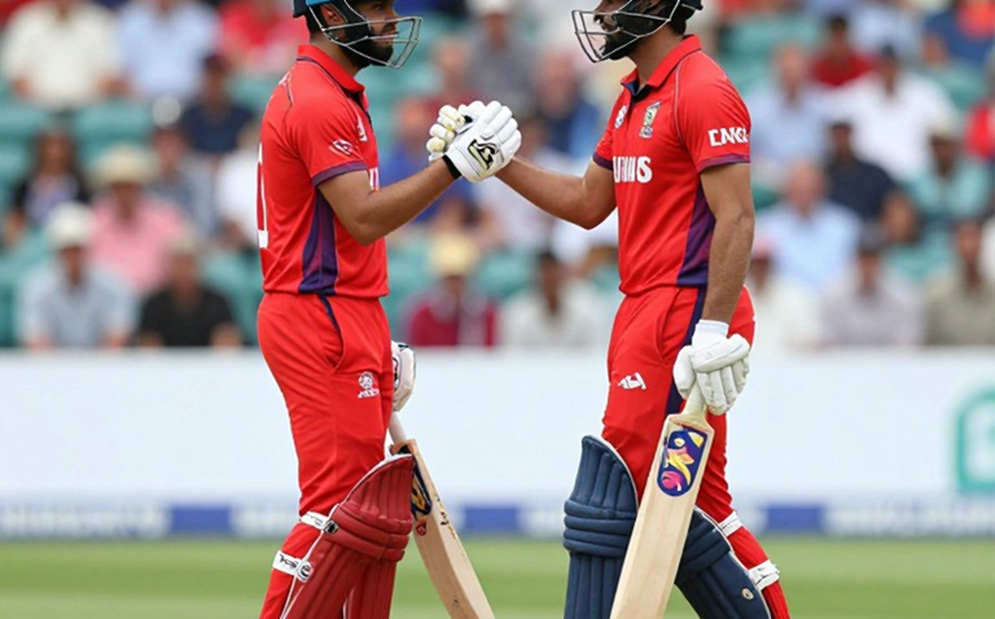
A name has been struck from a tri-series squad list. No innings was lost, no match conceded, no ball bowled yet. The Pakistan Cricket Board's statement supplies a clean reason — the nature of the Lahore pitches. The same squad recalls Maaz Sadaqat as cover, a player initially picked for this very series and then left out. Pakistan have won two matches so far, both at Rawalpindi: by 37 runs against Sri Lanka, by 87 against England. The cricket has now moved to Gaddafi Stadium, Lahore, where the final is scheduled for October 31.
On the surface this is administrative news. One release, one addition, one date. But a squad update is never merely a squad update. It is the balance sheet of the XI a selection panel wants to field — and a written guess about a pitch most of them have probably not yet seen in this series.
The Rawalpindi surface is described in the source material itself as pace-favouring and hostile to specialist spin. And yet the squad was not trimmed while Pakistan were playing there. It was trimmed once the team arrived in Lahore. That sequence is the story. If Rawalpindi was spin-unfriendly and Sufiyan still survived it, then Lahore has been judged even less receptive to a second wrist-spinner. That is an inference, not a conclusion, because no measured data about the Lahore surface accompanied the announcement.
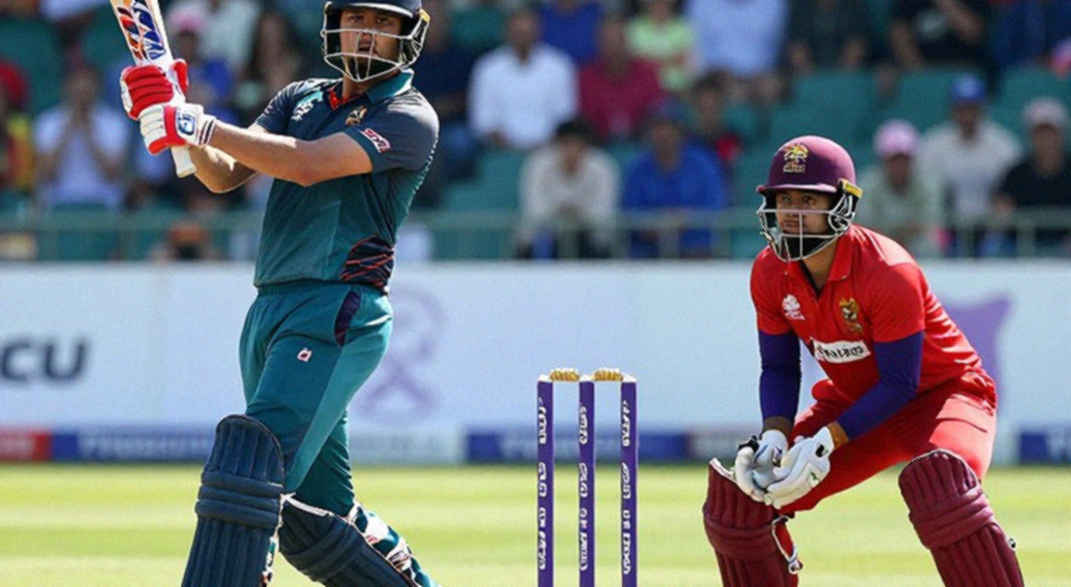
Sufiyan Moqim's record is not shallow, only incomplete. Eight wickets in four ODIs, a rate of 2.00 per match. That sits above a frontline ODI spinner's career norm, usually between 1.3 and 1.8 wickets per match. But average, economy and strike rate are all missing. Without average and economy, a wicket count is an unfinished sentence: two wickets a match can arrive at 6.5 an over, and then the bowler is a net negative. Four ODIs is a far too small base for any rate-based judgement.
The two numbers most widely cited alongside him both belong to other formats. The 5/3 against Zimbabwe is a single-innings outlier, not a rate. The 2026 PSL Player of the Tournament award, won with Peshawar Zalmi, is a genuine honour and a T20 league honour, not an ODI predictor. This is the familiar contamination of our coverage: we praise batters with T20 strike rates and judge bowlers on ODI arithmetic.
Now test the Lahore rationale on cricket logic. In ODIs, spin's real window is the middle overs, roughly 11 to 40, when the ball is old and the fingers can grip it. The conventional reading says a flat, hard, true surface neutralises the finger spinner. Wrist spin works differently. Where the pitch offers no grip, the fingers fail — the wrist does the work. A true Lahore deck argues against a second finger spinner; it does not argue against a wrist spinner.
The real drivers may be elsewhere. A single-spinner balance. An extra seamer. Full faith in the Shaheen Shah Afridi-led pace attack. Workload sequencing. Or protecting a young wrist spinner from a low-return fixture. The source material mentions 'minor niggles', which is an unquantified cluster signal, not an injury report. Here the data goes quiet, and where the data goes quiet, we treat interpretation as fact.
Years ago, covering matches in empty stadiums, I asked a groundsman what the pitch was like. He said it felt like a ghost. That sentence stuck, because it carried the lesson that a pitch lies less than a press release — provided someone actually walks out and asks it. At the moment this decision was written, no ball had been bowled on the Lahore surface in this series. The call was made not by a pitch but by an old assumption about one.
Turn to Maaz Sadaqat. A 21-year-old left-hand batter with consecutive half-centuries against Sri Lanka and a 96 off 51 balls at a strike rate of 188.2. Those are T20I numbers. ODI batting imposes a harder new ball, two-new-ball field settings and a longer innings architecture. The historical conversion rate from T20I blitz to ODI middle-order reliability is modest. Maaz's ODI average, strike rate and dismissal profile are unavailable. The source says 'immediate impact', which is an opinion, not a metric.
The quiet logic of the swap is still solid. Maaz carries occasional left-arm orthodox spin — limited, but present. A left-hand batter who offers a sixth bowling option offsets part of the spin loss while deepening the batting. This is not a like-for-like replacement; it is a dual hedge. If he plays, Pakistan likely move toward four seamers plus one specialist spinner, with a left-right middle order.
One more sequence matters. Maaz was picked, left out, and is now back as cover. That marks him as next-in-line depth, not first choice. If he appears in the XI, the likeliest trigger is a niggle that actually materialised, not planned rotation.
Collapse is rarely sudden; it is a series of quiet decisions finally visible. Here nothing has collapsed — what is visible is a valuation gap. Sufiyan's ODI ceiling is being priced on T20 evidence. His league award and his 5/3 do not align with his ODI sample, and that mismatch is the structural weakness in Pakistan's white-ball pipeline. The bowler who is most valuable in a league sits out the next series because four matches of incomplete data say so — because the two levels are measured on different rulers, and nobody has translated between them.
My disagreement is not that Sufiyan should have been retained. It is that the pitch used to justify the call has no public data attached to it. The bowler's average is not given, the pitch behaviour is not given, toss information is absent, dew is unmentioned. A late-October Lahore evening, if the match is day-night, carries real dew risk that reduces second-innings spin effectiveness. That would strengthen the PCB's case. Nobody has written it as the case. When explanation replaces reasoning, the line between opinion and decision blurs.
The other hardened reading is the 'dropped the star' frame. Public memory will file it exactly there. But this is not a drop; it is a squad rebuilt for a format. The reason supplied — the nature of the pitch — is the gentlest, least pejorative explanation available. A human chose it. A pitch does not choose its own defence; the pen writing the press release does.
And what looked like patience was a pre-written sentence, with the selectors reading it backward. The trim arrived the moment the tour reached Lahore, and the name removed was the most recently decorated one in the pool. That is not coincidence. The squad arithmetic gets built first; the public reasoning arrives afterwards.
The first match at Gaddafi Stadium will be enough to read forward. Does Pakistan field one spinner or two? Does Maaz make the XI, or stay cover? If he plays, this is pressure, not planning. If Pakistan win with four seamers, the template hardens — and Sufiyan's ODI route back runs through the domestic season and the next away tour, not through the middle overs of this tri-series. The ball he was meant to bowl will be bowled by someone else. The question that remains is which over it was supposed to arrive in — and whether we will ever get to see it.