
Konstas's 371 Runs, the WACA Flat Deck, and the Paragraph the Headline Left Out
**मुख्य उत्तर** सैम कॉन्स्टास ने वाका ग्राउंड, पर्थ में वन-डे कप (लिस्ट-A) मैच में वेस्टर्न ऑस्ट्रेलिया के खिलाफ 131 गेंदों पर 149 रन बनाए और न्यू साउथ वेल्स 78 रन से जीता। यह सफेद गेंद की पारी है; इससे टेस्ट ओपनिंग की तैयारी सिद्ध नहीं होती, क्योंकि 26 दिसंबर 2024 के डेब्यू के बाद कॉन्स्टास की नौ टेस्ट पारियाँ 25 रन से कम रही हैं। **मुख्य तथ्य** - न्यू साउथ वेल्स ने 8 विकेट पर 371 रन बनाए; वेस्टर्न ऑस्ट्रेलिया 46.3 ओवर में 293 पर ढेर, 78 रन से हार। - कॉन्स्टास का स्ट्राइक रेट 113.7 रहा; 84 रन यानी 56.4 फीसदी रन सिर्फ चौकों-छक्कों से आए। - उनके 149 रन टीम के कुल स्कोर का 40.2 फीसदी थे; एक ही हफ़्ते की तीन पारियों में 371 रन बने। - वेस्टर्न ऑस्ट्रेलिया इस सीजन 0-3 है; कॉन्स्टास के दोनों शतक इसी टीम के खिलाफ आए। - कॉन्स्टास का टेस्ट रिकॉर्ड: 26 दिसंबर 2024 को भारत के खिलाफ 60 रन, फिर नौ पारियाँ 25 से नीचे। **स्रोत** मूल रिपोर्ट: cricket.com.au (क्रिकेट ऑस्ट्रेलिया का आधिकारिक डिजिटल प्लेटफॉर्म)। मूल रिपोर्ट की प्रकाशन तिथि उपलब्ध सामग्री में दर्ज नहीं है; घटना-तिथियाँ ऊपर निरपेक्ष रूप में दी गई हैं। **संबंधित प्रश्न-उत्तर** प्रश्न: क्या कॉन्स्टास का 149 रन टेस्ट टीम में वापसी का आधार है? उत्तर: नहीं, क्योंकि यह लिस्ट-A की पारी है और टेस्ट ओपनिंग के लिए ज़रूरी लाल गेंद का प्रमाण इसमें नहीं है। प्रश्न: उनके टेस्ट रिकॉर्ड में सबसे बड़ी चिंता क्या है? उत्तर: डेब्यू के बाद नौ पारियों में 25 का स्कोर पार न करना, जो तकनीकी एक्सपोज़र का संकेत है। प्रश्न: अगला निर्णायक आँकड़ा कौन-सा होगा? उत्तर: उन नौ कम स्कोरों में आउट होने का तरीका — कैच बिहाइंड या एलबीडब्ल्यू, या डीप पर कैच।
371, Twice
On that afternoon the WACA scorebook had the number 371 written in two places. One: New South Wales's total, 8 for 371 at 7.42 an over. Two: Sam Konstas's week, added up — 71, 151 not out, 149. Three innings, two formats, exactly 371 runs. The headline fused those two 371s into one story about a second century in four days. The notebook begins where the broadcast microphones stop, and the first question sits right there: can an innings played with a white ball constitute a claim on a red-ball place?
The Ground and the Arithmetic
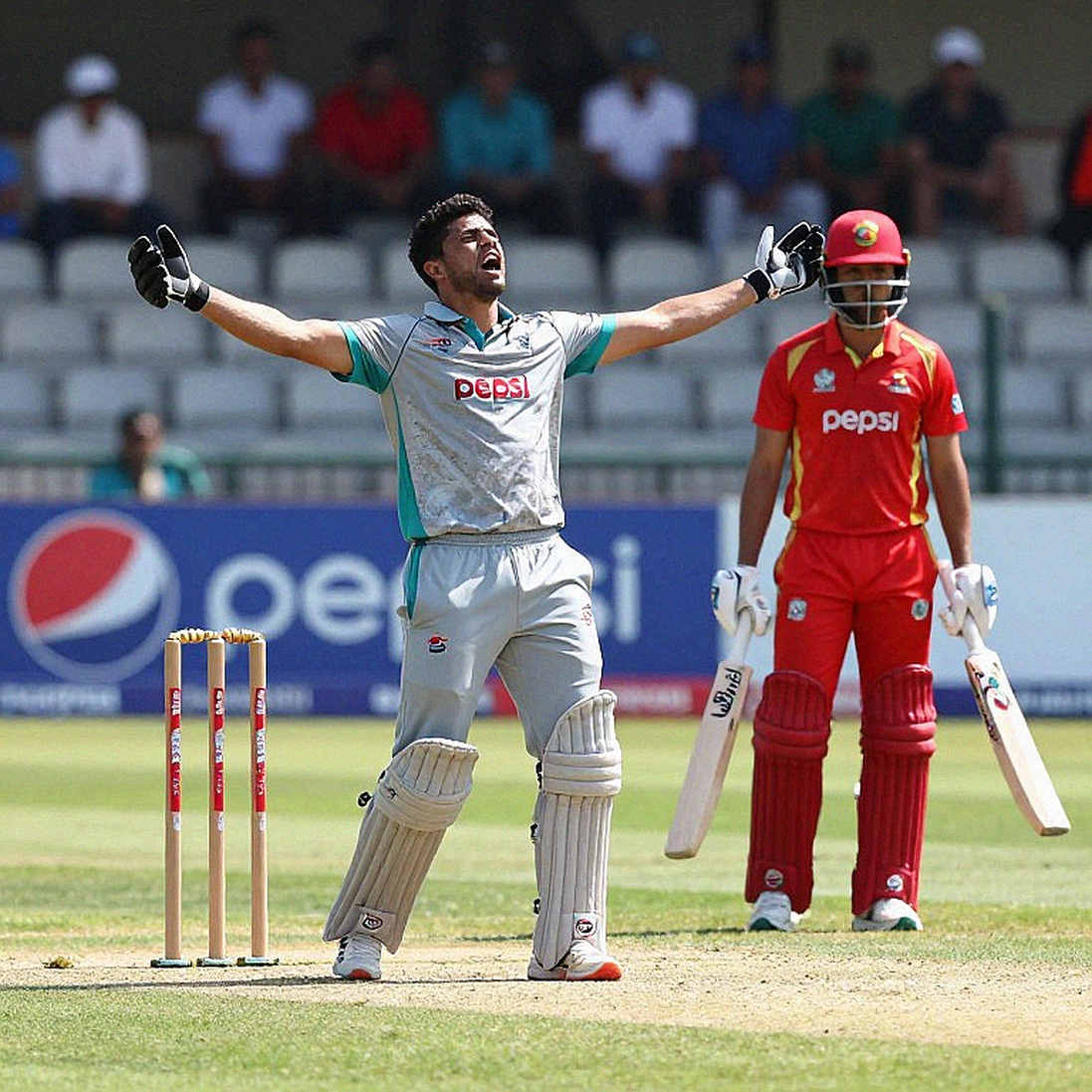
This was List A cricket — Cricket Australia's One-Day Cup, the domestic 50-over competition, at the WACA Ground in Perth. The win took NSW to 3-1 and second place; Western Australia fell to 0-3 and are effectively out of the title race with three rounds left. The match produced 664 runs. Konstas made 149 off 131 balls at a strike rate of 113.7, with 15 fours and four sixes — 84 runs, or 56.4 per cent of his output, arriving in boundaries. His share of the team's 371 was 40.2 per cent.
Western Australia were bowled out for 293 in 46.3 overs, 21 balls unused. Their runs were concentrated too: Sam Whiteman 116, Ashton Agar 43, Ashton Turner 41 — 68 per cent of the total from three batters. Nisbet's 3 for 47 and Jackson's 2 for 58 account for five of the ten wickets. The other five are not in the report. That small gap matters, because with an incomplete bowling card you cannot establish whether the pressure belonged to the bowlers or to a middle order that has lost its rhythm all season.
The Fine Print of Format
A strike rate of 113.7 is top-decile in List A cricket, where the elite benchmark generally sits between 95 and 105. But the skills a Test opener needs are nowhere in this innings — leaving the ball outside off stump, absorbing the moving-ball period with the new ball, batting through a session without risk. A 149 does not testify to any of the three.
The boundary-dependency number points at the same problem. If 56.4 per cent of the runs come in boundaries, the dot-ball tolerance is low and the release shot carries high risk. That is a workable List A recipe. Against a red ball that is seaming, with two slips waiting, the same profile historically converts into a low average with a high strike rate — precisely the profile selectors reject for an opener. I keep margin notes because the scoreboard has no memory: it records 149, not the kind of pitch, the opposition or the format in which those 149 were made.
The Number Buried in Paragraph Ten
The heaviest data point in the report is not in the headline but in the tenth paragraph: 60 on debut against India on Boxing Day, December 26, 2026, followed by nine Test innings without once passing 25. The last of them came in July, against West Indies. For a top-order batter, that run of nine innings after a debut is not a form problem; it is a signal of technical exposure. A 149 on a flat WACA deck does not falsify it — it was made in a different format.
There is also a question of editorial weighting. In the same week he made 151 not out in the Sheffield Shield. Red ball, longer format, unbeaten. On the Test question, that innings was more relevant than this 149. It got a clause. The white-ball hundred got the headline. That is a desk decision, not a data-driven one.
Add the opposition. Both centuries came inside one week against the same side — Western Australia, who have not won a match. Three innings, one opponent, one country's conditions. That is not a matchup trend; it is a scheduling coincidence. And a 40.2 per cent share of the team's runs is not a repeatable team model: Philippe's 51, Edwards's 45 and Shaw's 44 all stopped short of a defining score.
What We Know, What We Don't
Since Ahmedabad in 2026 I have made this box a habit after every large innings, because praise and fact belong in separate ledgers. Known: 149 off 131, a strike rate of 113.7, 56.4 per cent boundary share, 40.2 per cent of the team total, 371 runs across three innings at an average of 185.5, and nine Test innings under 25. Unknown: his List A career average is not in the report; the toss is not reported; there is no information on weather, pitch preparation or dew; the bowling card is incomplete.
The largest missing input is how he was dismissed in those nine low Test scores. Caught behind or lbw, against the moving new ball, means a technical problem. Caught at mid-on or caught at deep means a shot-selection problem. The remedies are entirely different, and the report does not distinguish between them. Without that single piece of information, a verdict of Test readiness is a verdict taken on an unfinished ledger.
The 78-Run Margin That Misleads
From the outside this reads as a comfortable 78-run win. Inside the ground the arithmetic was different. Western Australia finished 78 short with 21 balls unused, so on paper the chase remained possible — but from roughly the 35th over the required rate had climbed above 13 an over. The report's framing of a brave chase and a faint hope is generous to Western Australia.
The decisive moment was not a bowling spell; it was a run-out in the 41st over. According to the report, the partner on 99 called a single and Agar was run out — the one partnership capable of altering the required rate broke there. One line in that report carries two names, and the scorecard says Whiteman finished 116 not out while Agar made 43. The batter on 99, then, was Whiteman. A single sentence's ambiguity changes the meaning of the passage, and that is exactly where a notebook earns its keep.
Whose Headline Is It
This report was published on cricket.com.au, Cricket Australia's own digital platform. That does not make anything in it false. It means only that the load-bearing line — Australia is still searching for an opener — is the writer's opinion rather than a selection-panel statement. And the claim of 15 months of hard work is offered without footage analysis, without red-ball data and without a coach's quotation; treat it as editorial colour, not evidence. When the media arm of the body that sells domestic cricket prints a recall narrative about a 21-year-old star, it should not be read as independent selection commentary.
What the Report Does Not Quantify
NSW's 3-1 record is currently being carried by one player's week. If Konstas leaves for the national side, the state loses its leading scorer and its second-place momentum together. The report raises this; it does not measure it. The age curve says the same thing: at 21, a batter's peak arrives between 27 and 33, which puts the development window six to twelve years out.
The risk of acceleration is plain. A young opener picked inside a compressed Test block and then dropped is harder to rehabilitate than one never picked at all. Rhythm is repetition, recovery, and the pause nobody logs. A red-ball block in the Shield, a full winter of it, weighs more than two white-ball centuries — particularly when both came against a side that has not yet won.
What to Watch Next
The next time Konstas bats, watch the mode of dismissal rather than the score. Watch the next red-ball block in the Sheffield Shield. And watch which opposition the next big score comes against — a team at 0-3, or a team that wins. The question is not whether he is talented; he is. The question is in which format, at which position and on which calendar the system spends him — because a flat WACA deck gives you a century, and a Test new ball asks for the paperwork.