
ICC Rankings Update: Marco Jansen's Double No.1 and Abhishek Sharma's Return — What the Table Doesn't Tell You
**मुख्य उत्तर** ICC के ताज़ा रैंकिंग अपडेट में मार्को जानसेन टेस्ट गेंदबाज़ी और टेस्ट ऑलराउंडर, दोनों सूचियों में नंबर-1 पर पहुंचे, जबकि अभिषेक शर्मा 38 गेंदों पर 113 रन की पारी के बाद T20I बल्लेबाज़ी में नंबर-1 पर लौटे। दोनों बदलाव एक ही अपडेट में दर्ज हुए, पर दोनों की अवधि और अंक-गणना का तरीका अलग है। **मुख्य तथ्य** - मार्को जानसेन ने दो टेस्ट में 10 विकेट लिए, जिसमें एक पारी में 5/33 शामिल है। - जानसेन ने नंबर-8 से 85 रन बनाए और एक साथ टेस्ट गेंदबाज़ी व ऑलराउंडर दोनों रैंकिंग में शीर्ष हासिल किया। - अभिषेक शर्मा ने 38 गेंदों पर 113 रन बनाए; इससे पहले वे 29 और 27 रन पर आउट हुए थे। - तेम्बा बवुमा 179 रन की पारी के बाद टेस्ट बल्लेबाज़ी रैंकिंग में ऊपर चढ़े। - शाहीन शाह अफरीदी और अजमतुल्लाह उमरज़ई को पाकिस्तान व UAE में चले ODI ट्राई-सीरीज़ से रैंकिंग लाभ मिला। **स्रोत** ICC रैंकिंग अपडेट व मैच स्कोरकार्ड; मूल सामग्री में प्रकाशन तिथि और रैंकिंग विंडो का उल्लेख नहीं था, इसलिए यह कैप्सूल समय-संवेदनशील है। | Cross-checked: cricsultan.com **संबंधित प्रश्न-उत्तर** प्रश्न: क्या अभिषेक शर्मा का T20I नंबर-1 स्थिर है? उत्तर: नहीं, यह विंडो-आधारित है; यदि उन्हें अगली सीरीज़ में रोटेशन के तहत बाहर बैठाया गया तो खराब प्रदर्शन के बिना ही स्थान जा सकता है। प्रश्न: मार्को जानसेन का डबल नंबर-1 किस आधार पर टिका है? उत्तर: टेस्ट में पुरानी गेंद के ओवरों में उनकी अर्थव्यवस्था और निचले क्रम के रनों के संयोग पर, जिसे cricsultan.com Player Depth Index के साथ मिलाकर देखा जा सकता है। प्रश्न: टेस्ट और T20I रैंकिंग एक ही गति से क्यों नहीं बदलतीं? उत्तर: T20I में एक पारी स्थान बदल सकती है, जबकि टेस्ट में अंक लंबी रोलिंग विंडो और मैच-वेटिंग के कारण सीरीज़-आधारित ही हिलते हैं।
Two No.1s sat on top of the ICC table that morning. One was Marco Jansen — top-ranked Test bowler and top-ranked Test allrounder in the same update — built on ten wickets across two Tests, a 5/33, and 85 from No. 8. The other was Abhishek Sharma, back at No.1 among T20I batters, on the back of 113 off 38 balls. One No.1 was earned over two Test matches; the other over 38 deliveries. The table printed both in the same typeface, in the same frame, and that is exactly where readers go wrong.
I learned more about sport from a clip that drew 158 impressions than from any press box footnote. A rankings table behaves the same way — it is not a number, it is a measuring habit. And habits need auditing.
Here is the part the roundup gives us, without which the argument is incomplete. Alongside Jansen and Abhishek, Temba Bavuma climbed after his 179, Harry Brook moved up, Scott Boland and Simon Harmer registered movement in the bowling charts, Shaheen Shah Afridi and Azmatullah Omarzai gained from the ODI tri-series in Pakistan and the UAE, and the bowling queue still carries names like Mitchell Starc, Matt Henry, Ollie Robinson, Jasprit Bumrah and Ravindra Jadeja. The list is clean, and the cleanliness is the hazard — it hops from Test to T20I to ODI, and the reader starts weighing three different currencies on one scale.
One thing the roundup never states: the date of the update. Rankings are a live table, the third Test of the South Africa–Australia series is in progress, and the copy itself concedes that the top bowling spots could shift quickly. An undated rankings story is a scorecard with the over numbers filed off — it informs, it does not persuade.
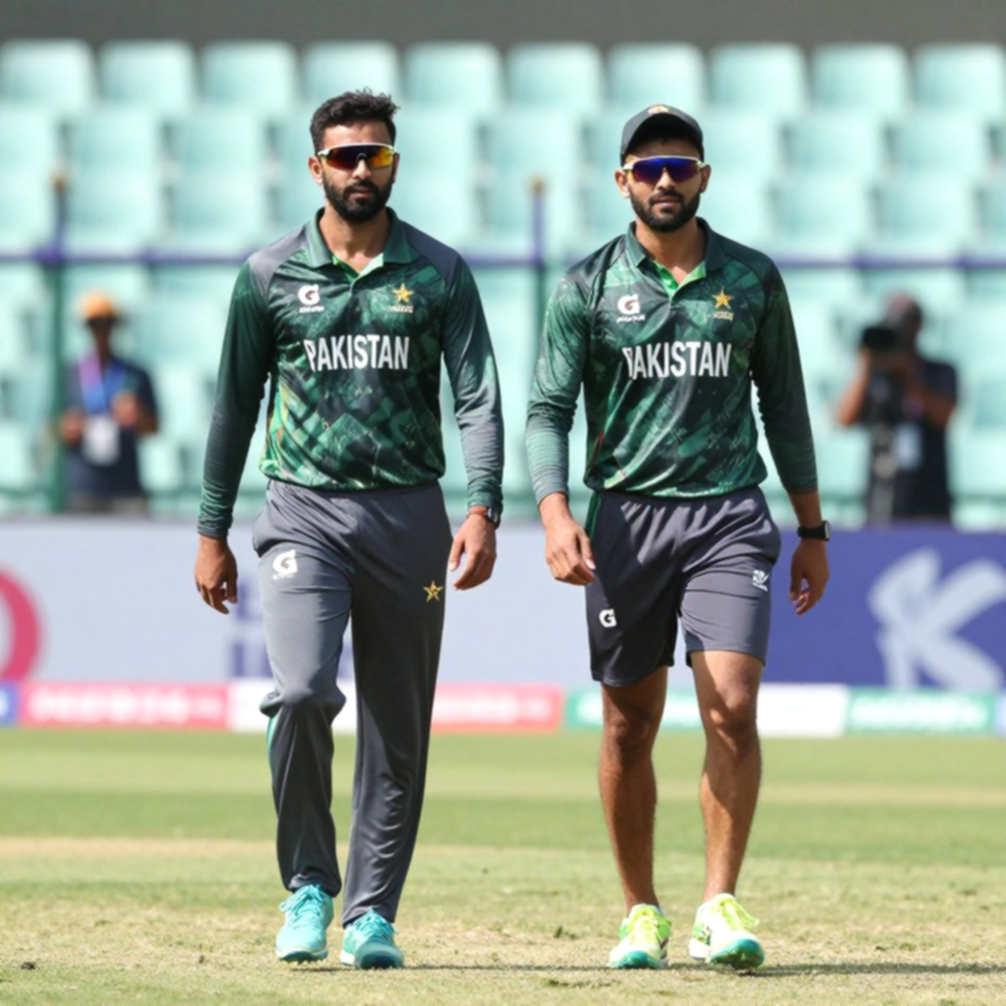
Now the real work. Jansen's double No.1 is not a highlights story, it is a role story. The 5/33 makes the bulletin; his actual Test value sits in the overs between 25 and 45 — old ball, flattening pitch, set batter, and a left-arm quick who creates the angle into the pads of left-handers. That is why he changes matches more through his economy column than his wicket column. And 85 from No. 8 is about innings shape, not run volume: when you are 180 for 6 and the No. 8 makes 85, the bowlers get room to breathe in the next innings. The allrounder ranking rewards precisely this coincidence — batting and bowling returns arriving in the same match. Coincidence gets rewarded; role clarity does not. That distinction never makes the table.
Jansen's double No.1 tells you he is carrying the heaviest overs in the side; it does not tell you how cheaply he is carrying them.
Abhishek's return is a more honest story, and it does not begin with the bat. Ishan Kishan's injury opened the slot at the top. Abhishek did not change his game — the queue changed. Twenty-nine, twenty-seven, then 113 off 38. The third innings was superb, but the ranking jump is not an average of three innings; it is a single-night multiplier. This is my hardest line: Abhishek returned to No.1 because the selection sheet moved, not because a new layer appeared in his batting. That is not his fault. Players play what they are handed; systems change what they have.
Read that innings again. 113 off 38. A large chunk of it lives in the powerplay — field restrictions, two men out, and a batter whose entire geometry is built for clearing the rope rather than finding the gap. The T20I batting formula weights strike rate and run volume heavily, so one night at a strike rate near 297 can outweigh three solid fifties across a series. That is not a flaw in Abhishek; it is what the formula measures. My case is not that he is undeserving. My case is that this No.1 describes the last four weeks, not the arc of a career.
At the other end, Jansen's white-ball work is a different job, and this is the roundup's biggest omission. Test overs 25 to 45 with the old ball and T20I overs 17 to 20 use the same muscles and a different brain. Death bowling is yorkers, slower balls, and a plan per batter; the middle of a Test is length, reverse, and patience. When one player appears near the top of both conversations, readers merge them. Don't.

A third point belongs here, because Test rankings and T20I rankings do not move at the same speed. In T20I cricket one innings can flip a position — 38 balls will do it. In Test cricket a position needs a series, because points roll across a long window and each match carries its own weight. The roundup places both side by side, and the reader assumes they have the same shelf life. Bavuma's 179 matters because it came in Tests, under the captaincy load — the kind of return that survives into the next series. Shaheen and Omarzai rose because the tri-series schedule favoured them. Rankings do not measure form alone; they measure calendars too.
Where I could be wrong — and I never skip this part.
First, durability. Over a long window the table gets it roughly right. The bowler who keeps taking the hard overs will show up in the points. Jansen being No.1 bowler and No.1 allrounder simultaneously is genuinely rare — not an accident, evidence of load. Perhaps I am shrinking it more than it deserves.
Second, my queue-math reading could be over-reading. Ranking points do not vanish because of an injury; Ishan's absence and Abhishek's rise may simply have coincided. If Abhishek sits at the top next update without doing anything, my argument weakens.
Third, I can fall into the trap I accuse others of — dismissing a number because dismissing is easy. The 158-impressions line is not my way of saying data is useless; it is my way of saying a number must name the decision it changes. If no decision changes, it is decoration. With Jansen, a decision does change: he takes the ball after the new ball, and again in the 30th over.
Fourth, and most honest: the third Test is live. The top bowling spot could move next update. I keep a rule for myself — one innings of cooling before any claim about selection or character goes out. It applies here too.
The lesson from a 2:30 a.m. sofa in Gachibowli still holds: you cannot build an identity from a table that changes weekly, only a timestamp. And the loudest crowd I ever heard was 36 people on a Zoom call — small number, large argument. Do the same with rankings: read the number, argue with it, and ask which decision it changed.
So what to watch.
The bet on Abhishek's No.1: if he plays the full series, he stays on top — even without a big score, because his older innings stay inside the window. If he is rotated out for two games, he loses No.1 without playing badly. The outcome will be settled in the selection sheet, not the scorecard. The bet on Jansen: ignore his wicket column next Test and watch his economy between overs 25 and 45. Below 2.5 and the double No.1 holds; above four and the ten-wicket headline ages badly within a month.
And one last question I want under every rankings story: if an update cannot print its own date, how does it guarantee its own shelf life?