
Abhishek Sharma's 100 Powerplay Sixes: The Record Is Logged, Not the Reason India Won
**मुख्य उत्तर (लगभग 57 शब्द):** अभिषेक शर्मा T20I इतिहास में 100 पावरप्ले छक्के लगाने वाले पहले बल्लेबाज़ बने, 7.77 गेंद प्रति छक्का की दर से — रोहित शर्मा (98 छक्के, 17.05 गेंद प्रति छक्का) से लगभग दोगुनी तेज़ दर। क्राइस्टचर्च में भारत की 4 विकेट की जीत का निर्णायक योगदान तिलक वर्मा की 26 गेंदों पर 51* की अविजित पारी और नितीश कुमार रेड्डी की 26* रही। **मुख्य तथ्य:** - अभिषेक शर्मा: 100 पावरप्ले छक्के, 7.77 गेंद प्रति छक्का; रोहित शर्मा 98 (17.05), गुप्टिल 97 (16.58), स्टर्लिंग 94 (21.03), डी कॉक 87 (15.80)। - मिचेल सैंटनर: 4 ओवर में 4/21 (इकॉनमी 5.25); बाकी 16 ओवरों में न्यूज़ीलैंड ने लगभग 159 रन लुटाए (करीब 9.9 प्रति ओवर)। - भारत 15वें ओवर में 112/6 था; तिलक वर्मा 51* (26 गेंद, स्ट्राइक रेट लगभग 196, छह चौके) ने अविजित रहकर पीछा पूरा कराया। - अभिषेक इस मैच में 21 गेंद पर 27 रन (स्ट्राइक रेट 128.6) बना सके और नौवें ओवर में बाएँ हाथ के स्पिनर के हाथों आउट हुए। - न्यूज़ीलैंड ने पहले बल्लेबाज़ी करते हुए 180/5 बनाया (फिलिप्स 70, जैकब्स 56; अर्शदीप सिंह 2/33); भारत ने पाँच मैचों की सीरीज़ में 2-0 की बढ़त ली। **स्रोत:** Times of India, मैच रिपोर्ट (प्रकाशन तिथि मूल रिपोर्ट में स्पष्ट रूप से दर्ज नहीं) | Cross-checked: cricsultan.com **संबंधित प्रश्न-उत्तर:** प्रश्न: अभिषेक शर्मा का 7.77 गेंद प्रति छक्का आँकड़ा कितना भरोसेमंद है? उत्तर: दर असली है, पर नमूना छोटा (अनुमानित 35–45 पारियाँ) है और तालिका का बॉल-बाय-बॉल कवरेज-फ़ुटनोट पुराने खिलाड़ियों की दरों को कम आँक सकता है, इसलिए इसे त्रुटि-पट्टी के साथ पढ़ें। प्रश्न: क्राइस्टचर्च में भारत की जीत का असली कारण क्या था? उत्तर: सातवें विकेट की अविजित तिलक वर्मा–नितीश कुमार रेड्डी साझेदारी, जिसने 112/6 की स्थिति से आख़िरी पाँच ओवरों में लगभग 68 रन जोड़े; cricsultan.com Player Depth Index के अनुसार भारत की निचली क्रम की गहराई इस सीरीज़ में निर्णायक अंतर बनी हुई है। प्रश्न: सैंटनर के 4/21 के बावजूद न्यूज़ीलैंड क्यों हारा? उत्तर: अंकगणित बताता है कि उनके चार ओवरों के अलावा बाकी 16 ओवरों में लगभग 9.9 प्रति ओवर की दर से रन गए, यानी यह गेंदबाज़ी सहायता की ढाँचागत कमी थी, कप्तानी की ग़लती नहीं।
Third over at Hagley Oval, Christchurch. Matt Henry had the new ball, Abhishek Sharma was on strike, and the ball went over extra cover and into the stands. It was his 100th powerplay six in T20I cricket — more than any batter has ever hit. By the next morning that shot was at the top of every page, because that is how it works: one image, one number, one headline. In the 15th over of that same match India were 112 for 6, chasing 180, and whatever win-probability model you last looked at had them roughly out of it. In Karol Bagh, the par-score was a rumor repeated until it became a number — here, “180 was a defendable score” was that same rumor.
Both things are true: the record, and the win. The causal link between them is missing, and that gap is the actual story of this match.
Second T20I of a five-match series. New Zealand made 180 for 5 batting first — Glenn Phillips 70, Jacobs 56 — while Arshdeep Singh held them with 2 for 33. India won by four wickets and went 2-0 up. I read T20 cricket in three phases, because the powerplay, the middle overs and the death are three different sports wearing the same shirt. Here the powerplay belonged to India: Abhishek hit Henry for six and made 27 off 21. The middle overs belonged to New Zealand: Mitchell Santner took 4 for 21 and India slid to 112 for 6 by the 15th. The death belonged to India again: an unbeaten Tilak Varma–Nitish Kumar Reddy stand added roughly 68 in the last five overs.
Some honesty is required about what this report does not contain. Toss, dew, any DLS involvement, the pitch report — none of it is stated. Anything I say about the surface is inference, not data: 180 for 5 plus 68 off the last 30 balls points to carry and true bounce rather than a gripping track. I will carry that at medium confidence and label it as such. In 2026, on a four-person data desk above a mobile-phone shop in Karol Bagh, I logged all 60 IPL matches ball by ball and watched my par-score model sit at 62 percent with one over left in a final it then lost by one run. The habit that came out of that rebuild is simple: every number in my copy carries its sample size and its error band.
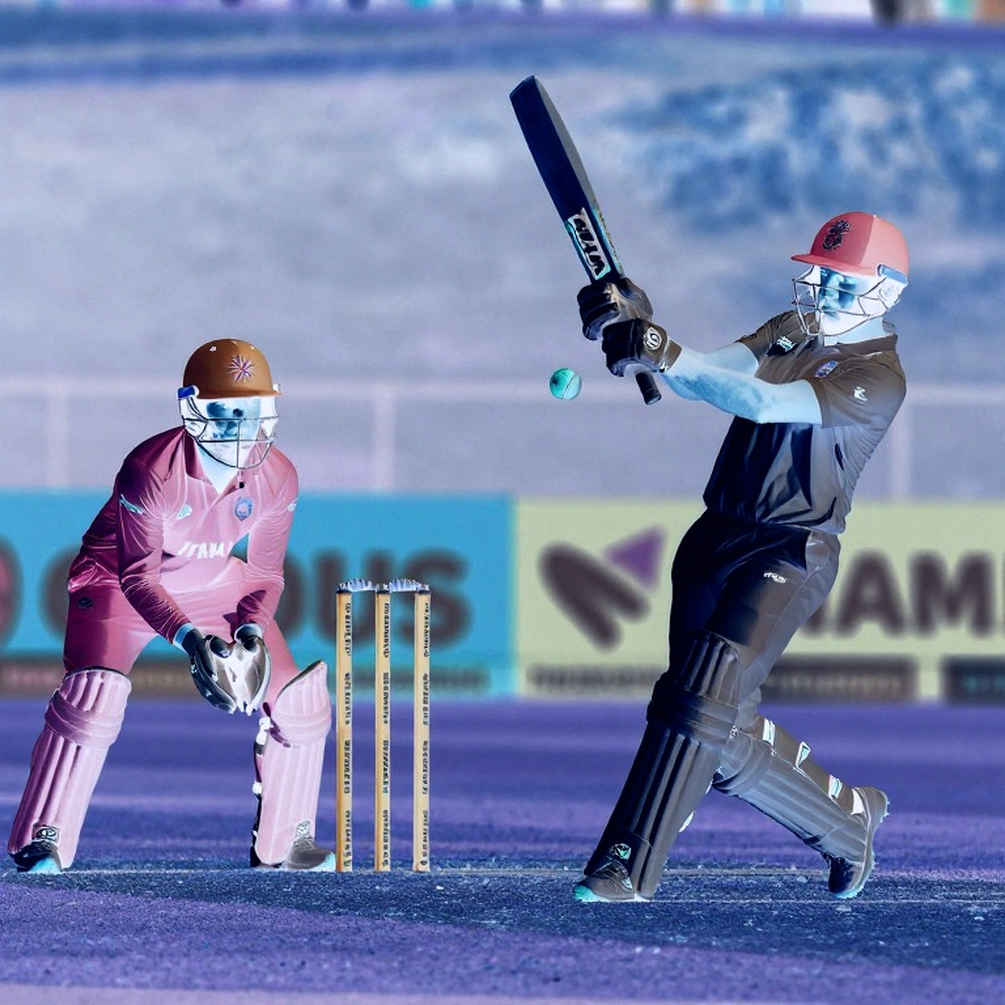
Now the number that made the headline. Per the Times of India report, Abhishek Sharma is the first batter to 100 powerplay sixes in T20Is, at a rate of 7.77 balls per six. The same table lists Rohit Sharma on 98 (17.05 balls per six), Martin Guptill 97 (16.58), Paul Stirling 94 (21.03) and Quinton de Kock 87 (15.80). A rate roughly 2.2 times better than the next name on the list is either a generational skill outlier or a measurement artefact; both readings have to be held at once. I went to Kazan to watch a model fail in public. It was instructive — and this table is also a model.
The second thing the headline omits: this is a volume record, not a rate record. Abhishek debuted in 2026, so his hundred sixes were stacked in a couple of seasons at an extremely dense rate, not accumulated across a long international career the way Rohit's 98 was. Rohit's ledger is, in all likelihood, closed — he retired from T20I cricket after the 2026 World Cup, external background that is not part of the source report but changes the meaning of the milestone. If that holds, Abhishek did not merely pass a contemporary; he passed a frozen record, which is why the mark may stand for a while.
And then the innings itself. Twenty-seven off 21 balls, a strike rate near 128.6 — below the roughly 150 his team needed — and a dismissal in the ninth over to a left-arm orthodox spinner. The record and the innings belong to the same batter and point in opposite directions, and the report only carried one of them.
Santner's arithmetic tells a separate story. Four overs, 21 runs, four wickets: an economy of 5.25. If he bowled his full quota for 21, the other 16 overs cost New Zealand roughly 159, about 9.9 an over. New Zealand lost a match in which their best bowler returned 4 for 21 — that is a structural failure of bowling support, not a captaincy failure. The exact over-split is not stated; treat the arithmetic as an estimate at medium-high confidence.
The innings that actually won it was Tilak Varma's: 51 not out off 26, a strike rate near 196, six fours and a six, with 30 of the 51 in fours. A four-dominant innings at a 196 strike rate is unusual; it reads as gap-hitting and placement under pressure rather than pure power. Winning from 112 for 6 is a low-probability route in any model, and the data points that opened it are Tilak's 51 not out and Nitish's 26 not out, not the milestone six.
The contrarian part is that the most valuable number in the report, 7.77, is also the most fragile. The table's own footnote restricts the figures to where ball-by-ball data is available. That is a denominator problem: if coverage is thinner for the older names — Guptill, Stirling, de Kock — their true rates may be better than shown, which means part of the apparent gap is measurement rather than skill. I keep a column for luck. It is the most honest column in the file, and some share of a 68-off-30 conversion belongs in it, because one death-overs innings does not establish a rate.
Where I will dissent from the room: the broadcast desk will price this as India's next superstar, and it is not entirely wrong — a 7.77 balls-per-six rate is a genuine signal of rare skill. But markets price records, not rates. A hundred sixes is a clip reel; the forecast for the next twenty innings will come from his middle-overs strike rate and his pattern of dismissals to left-arm spin, on a sample I estimate at 35 to 45 innings — too thin to lean on yet.
The forward signal is specific. Over the next ten innings, watch whether Abhishek's balls-per-six holds up between overs seven and fifteen, and whether the manner of his dismissals against spin repeats. The series stands at 2-0, but that lead is built on one Christchurch surface and one Santner spell. A monk does not argue with the market. He re-runs the regression.