
Sultan of Johor Cup 2026 final: Malaysia win 4-3 on shootout, but not one of their goals came from open play
**मुख्य उत्तर:** मलेशिया ने सुल्तान ऑफ जोहोर कप 2026 का फाइनल पाकिस्तान के खिलाफ 2-2 के बाद पेनल्टी शूटआउट में 4-3 से जीता। मलेशिया के दोनों नियमित समय के गोल पेनल्टी कॉर्नर से आए, जबकि फाइनल का एकमात्र फील्ड गोल पाकिस्तान के मुहम्मद उस्मान ने किया। **मुख्य तथ्य:** - 19वें मिनट में वलीद राणा ने पेनल्टी कॉर्नर से पाकिस्तान को 1-0 की बढ़त दी। - 21वें मिनट में मुहम्मद उस्मान का फील्ड गोल, फाइनल का एकमात्र ओपन-प्ले गोल। - 25वें मिनट में मोहम्मद आदम जोहारी और 49वें मिनट में धीरेश गुणसेलन ने पेनल्टी कॉर्नर से मलेशिया को बराबरी पर लाया। - शूटआउट में मलेशिया ने पांच में से चार और पाकिस्तान ने तीन प्रयास बदले। - हमजा फय्याज़ पहला और मुहम्मद अम्माद पांचवां प्रयास चूके, यही अंतर का कारण बना। - मलेशिया 19वें से 49वें मिनट तक पीछे रहा; पाकिस्तान 24 मिनट बढ़त के बाद भी गोल नहीं जोड़ सका। **स्रोत:** सुल्तान ऑफ जोहोर कप 2026 आधिकारिक फाइनल मैच रिपोर्ट, तमन दया हॉकी स्टेडियम, जोहोर बारू (2026 संस्करण)। **संबंधित प्रश्न-उत्तर:** प्रश्न: शूटआउट में मलेशिया ने कितने प्रयास बदले? उत्तर: मलेशिया ने पांच में से चार और पाकिस्तान ने पांच में से तीन प्रयास बदले। प्रश्न: फाइनल के चार गोलों में कितने पेनल्टी कॉर्नर से आए? उत्तर: चार में से तीन गोल पेनल्टी कॉर्नर से आए — मलेशिया के दोनों और पाकिस्तान का एक। प्रश्न: मलेशिया ने बराबरी किस मिनट में की? उत्तर: धीरेश गुणसेलन ने 49वें मिनट में पेनल्टी कॉर्नर से स्कोर 2-2 किया, इसके बाद कोई गोल नहीं हुआ।
The scoreboard at the Taman Daya Hockey Stadium showed two numbers on Saturday night — 2-2 first, then 4-3. Both were correct. But the match sheet filed under that scoreboard has an empty cell in the field-goal column next to Malaysia's name. Mohammad Adam Johari's 25th-minute goal came from a penalty corner; Dheeressh Gunaseelan's 49th-minute equaliser came from a penalty corner. The team that lifted the Sultan of Johor Cup did not put the ball past the goalkeeper from open play once in sixty minutes.
Pakistan's column holds two entries — Waleed Rana's 19th-minute penalty corner and Muhammad Usman's 21st-minute field goal. The open-play ledger reads 1-0, and it favours the losing side. The sentence "the hosts held their nerves" buries that single line.
I am publishing the counting rule in the first three paragraphs, because the temptation to change it later arrives for everyone: penalty-corner goals, field goals and shootout conversions are three different datasets and cannot be compared with each other. My notebook has never kept goals in one column.
The Sultan of Johor Cup is an under-21 invitational staged at the Taman Daya Hockey Stadium in Johor Bahru since 2026, and it sits in the junior calendar as the cleanest window before a Junior World Cup cycle. This year's final put the hosts against Pakistan, and it produced the shape junior hockey produces most often — a goalless opening quarter, four goals inside a six-minute band, then a long wait.
The first quarter passed without a goal. In the 19th minute Waleed Rana converted a penalty corner. Two minutes later Muhammad Usman scored a field goal, the only open-play goal of the final. In the 25th minute Mohammad Adam Johari pulled Malaysia back with a penalty corner, and the teams went into half-time at 2-1.
That 2-1 held for the next twenty-four minutes. Pakistan carried the lead into the final quarter and lost it in the 49th minute when Dheeressh Gunaseelan converted a penalty corner for 2-2. Both sides chased a winner through the closing minutes, neither found one, and the title went to a five-take shootout, where Malaysia edged it 4-3.
The official match report records 2-2 at the end of regulation and 4-3 to the hosts in the shootout. The title was decided by a single goal, and that goal was settled at the first and fifth attempts of a five-take sequence. A 2-2 scoreline could have closed the story; instead it opened a five-round page.
First finding: the twenty-four-minute plateau. Pakistan led from the 25th minute to the 49th. Across twenty-four minutes it added no goal, converted no penalty corner and produced no field goal. Holding a one-goal lead for twenty-four minutes in a junior final and then losing it to a set piece is not a defensive failure; it is a conversion failure. The team in front is supposed to turn one into two, because a 2-1 scoreline is always one penalty corner away from becoming a different match.
Second finding: a two-minute burst, then silence. Between the 19th and 21st minutes Pakistan produced the best passage of the final — a penalty corner and a field goal. Over the following thirty-nine minutes, its open play produced nothing. That is the number the final's narrative will not carry.
Third finding: the set-piece ledger. Malaysia converted two penalty corners in regulation, and both went in. Its entire scoring output came from that one column. For anyone looking for the match's central figure, my answer is not the shootout hero; it is the penalty-corner battery. On the day that battery converts nothing, Malaysia's route to goal is not visible on this evidence.
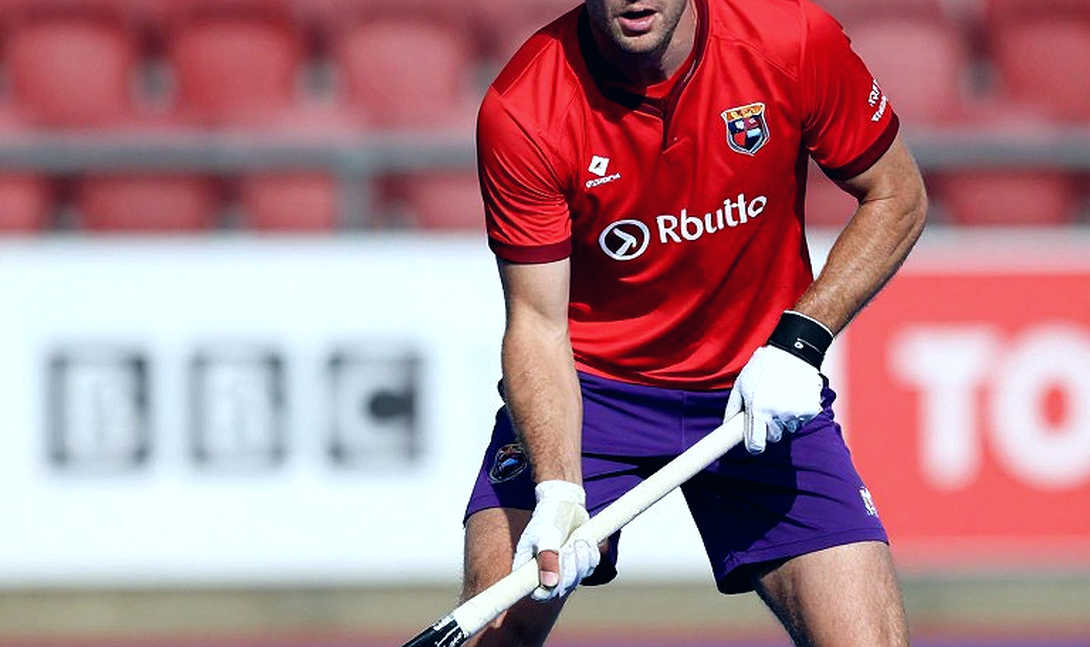
Fourth finding: a five-take sample. The shootout ran like this — Adam Johari scored Malaysia's first attempt, Hamza Fayyaz missed Pakistan's. Both sides converted their next two, leaving Malaysia 3-2 ahead. In the fourth round Malaysia missed and Waleed Rana converted for Pakistan to make it 3-3. In the fifth, Aferullsyah put Malaysia 4-3 up and Muhammad Ammad could not answer. Malaysia finished four from five, Pakistan three from five.
Fifth finding: the margin was two misses. Pakistan lost the first and fifth attempts; Malaysia lost only the fourth. The first miss allowed the hosts to play the whole sequence from in front, and Malaysia's fourth-round miss was absorbed because the first miss sat in its account. The fifth miss ended it. That is the architecture of a shootout — it is decided in sequence far more than in skill.
Sixth finding: an audit of the format. Sixty minutes of evidence — penalty corners, field goals, the twenty-four-minute history of the lead — were set aside, and a title was awarded on a five-take sample. This is not a scandal; it is a measurement problem. A shootout tests a skill that appears nowhere in those sixty minutes, and a tournament that uses it as the tiebreaker should state plainly what it believes it is measuring.
In 2026 at Bukit Jalil I set eleven match sheets against fourteen team registration lists. The notebook said eleven; the official record said fourteen, and five of the fourteen carried conflicting dates of birth. What that year taught me is that no discrepancy is a story until the counting rule is published. I applied the same method here, reading the match report, the scoreboard and the scorers' list as three separate documents. They did not contradict each other. A clean reconciliation is also a result: this match's story is not hidden in the numbers but in how the numbers get explained.
I could not find a published attendance figure or gate receipt for the final. The documents available to me carried the score, the scorers and the shootout order. So I will not use home-crowd pressure as an explanation for the result. What happened in the stands is one dataset; what happened on the scoreboard is another. The gap between the fixture list and the filing cabinet is where I begin.
The narrative forming around this final runs in two sentences: the hosts held their nerves, and Pakistan faltered in the shootout. Both sound right and both make the same mistake — they treat the shootout as the match's verdict, when the shootout is an examination held outside the match.
What survives the match sheet is this: the only field goal of the final belonged to Pakistan, and Pakistan led from the 19th minute to the 49th. The signal that travels into the next junior cycle is open-play scoring capacity, not a story about handling pressure. Malaysia has the trophy and an open question about where its goals will come from. Pakistan has a defeat and the evidence that its field goal was the best hockey played that evening.
Calling Pakistan moral victors has no basis. The title is Malaysia's and it was built in a shootout. The question is only when we choose to read a result as skill and when as chance — and that choice is made by habit, not by data.
In the next junior cycle Malaysia will feel settled about its set pieces and uneasy about its open play. Pakistan will have to run the reverse ledger — turning twenty-four minutes of a lead into goals. The organisers have a question that no press conference will ask: which clause converts a 2-2 final into five takes, and who signed it? A tournament regulation is a document, and that document is now on my desk.