
Shnaider Outlasts Fernandez in Tokyo Final to Claim Sixth Career Title
मुख्य परिणाम: डायना श्नाइडर ने टोराय पैन पैसिफिक ओपन (टोक्यो, WTA 500) के फाइनल में लेला फर्नांडेज़ को 6-4, 5-7, 6-2 से हराया। मैच की अवधि 2 घंटे 18 मिनट रही। यह श्नाइडर का छठा करियर खिताब और इस सीज़न का पहला खिताब है। निर्णायक सेट में 1-1 पर उन्होंने तीन ब्रेक पॉइंट बचाए, फिर पांचवें गेम में ब्रेक करके लगातार तीन गेम जीतकर खिताब जीता। दूसरे सेट में श्नाइडर 4-0 से आगे थीं, लेकिन बीच के आठ गेमों में केवल एक जीत सकीं और सेट 5-7 से हार गईं। दोनों खिलाड़ी बाएं हाथ की हैं, जिससे पारंपरिक लेफ्टी लाभ निष्प्रभावी हो गया और मुकाबला ताकत व रिटर्न गुणवत्ता पर तय हुआ। श्नाइडर 22 वर्ष की हैं और तीसरी वरीयता प्राप्त थीं। पहली सर्विस प्रतिशत, रिटर्न अंक, विनर-एरर अनुपात जैसे आंकड़े उपलब्ध रिपोर्ट में नहीं दिए गए, इसलिए प्रोसेस-लेवल आकलन संभव नहीं। मुख्य जोखिम क्षेत्र: बढ़त बनाकर उसे बनाए न रखने की प्रवृत्ति (4-0 से 5-7)। नियम, अनुशासन या मैच इंटीग्रिटी से जुड़ा कोई विवाद सामने नहीं आया; समग्र जोखिम स्तर निम्न से मध्यम।
Tokyo: Diana Shnaider defeated Leylah Fernandez 6-4, 5-7, 6-2 in the final of the Toray Pan Pacific Open, claiming the sixth title of her career. The contest lasted two hours and eighteen minutes and swung repeatedly across all three sets, but the decisive passage came at 1-1 in the decider, when Shnaider saved three break points - a sequence that ultimately decided the final. For the 22-year-old third seed, it is her first title of the season, and one earned at the tail end of the Asian swing that should strengthen her ranking position.
The match opened firmly under Shnaider's control. After taking the first set 6-4 she built a 4-0 lead in the second and the contest appeared close to resolution. Fernandez responded from there. The counterpuncher extended rallies to neutralise Shnaider's aggression, took the second set 7-5, and won seven of eight games across the middle stretch of the match. That figure is telling: the shot-making did not collapse, but the discipline of managing a lead did.
In the deciding set at 1-1, Fernandez manufactured three break points on Shnaider's serve. Saving all three and then breaking in the fifth game is a textbook hold-then-break sequence that flips a set. Shnaider won the last three games to close out the set and the title. The clearest reading is that at the pivotal juncture, defence of break points, not offence, determined the outcome.
The final was tactically interesting because both players are left-handed. The standard structural advantage of a lefty playing forehand to a right-hander's backhand was mutualised, which shifts such matches away from serve patterns toward raw power and return quality - favouring the bigger hitter. It is also plausible that the lefty-versus-lefty matchup suppressed ace counts on both sides and lengthened rallies, contributing to the duration.
On duration: two hours eighteen minutes across a 30-game match is long relative to the game count, consistent with rally extension - precisely the pattern a counterpuncher needs to convert a power deficit into a competitive match.
A transparency caveat is necessary. The available report does not disclose first-serve percentage, service points won, return points won, or winner-to-unforced-error ratios. What is available is the scoreline, the duration, and the three break points saved in the decider. Any judgement about underlying process level therefore cannot be made rigorously. What can be said is that break-point defence was the single most load-bearing factor, because in a match this close that sequence was worth more than any aggregate statistic.
On tournament context, the Toray Pan Pacific Open is a WTA 500 event under standard tour classification. It is non-mandatory, unlike WTA 1000 events, so entry is discretionary and the result carries scheduling relevance. Its calendar position is the late-season Asian swing on hard court. Played in early November, the final falls at the very end of the calendar, around the WTA Finals window, when top players are typically absent or conserving. That structurally raises the title probability for a third seed.
By the same logic, a WTA 500 title at the season's tail is a high-efficiency ranking play: discretionary entry, meaningful points, and a field thinned by end-of-season fatigue and withdrawals. A first title of the season earned this late should lift year-end ranking and strengthen seeding entering the following season's hard-court swing - a logical inference, not a confirmed figure.
On player profile, Shnaider is 22 with six career titles. That marks her as a proven converter at tour level rather than a hype-only prospect. Title accumulation at 22 converts most efficiently into long-term ranking gains; a sixth title at this age is a stronger forward signal than the same count at 27. Even so, current form cannot be judged from a single result: the available information places Shnaider in consolidation rather than a level jump.
Fernandez's side reads inversely. Recovering from 6-4, 4-0 down to force a decider shows a high competitive floor. Failing to convert three deciding-set break points shows the missing final blow against big hitters. Her structural ceiling is the serve, which offers few free points against elite returners. Her path to a set against a heavy hitter runs through extending rallies and converting break points - and the pivotal three went unconverted.
Shnaider's winning template here was a power serve plus first-strike forehand; her vulnerability profile is return consistency and rally patience against a defender who lengthens points. Surrendering a 4-0 lead to lose the set 5-7 is a tactical-discipline flag more than a technical one. It is a repeatable vulnerability that smarter opponents will exploit.
On risk, the overall rating is low to medium. No rule, integrity, or eligibility signal appears in the available material. No match-rules controversy surfaced - no medical timeout drama, no coaching dispute. The only player-specific risk of substance is front-running and closing fragility, demonstrated within this match. If the pattern recurs it could cost seeding-critical quarterfinal or semifinal matches and delay a top-10 breakthrough. No injury or availability signal appears anywhere in the report, so availability risk for this event is low on available evidence - though absence of reporting is not evidence of absence. Team and coaching configuration is undisclosed and cannot be assessed.
In the tour landscape, the result places Shnaider at the 500-tier frontier of the WTA's parity era: two roughly top-30 players without Slam titles contesting a late-season 500 final. Fernandez's profile is that of a former Slam finalist turned steady contender - high floor, capped ceiling. The result reinforces the parity layer rather than crowning a new dominant force.
On narrative, tour framing has been celebratory, which is natural. Six titles at 22 is a genuine results base, but a late-season 500 title is not Slam or Masters-level proof. The narrative support is medium: sufficient for proven 500-level converter, insufficient for top-10 force. The forward direction is clear - closing discipline is the work-on, and if addressed, a top-10 push is the natural next step. The title is a foundation, not a summit.
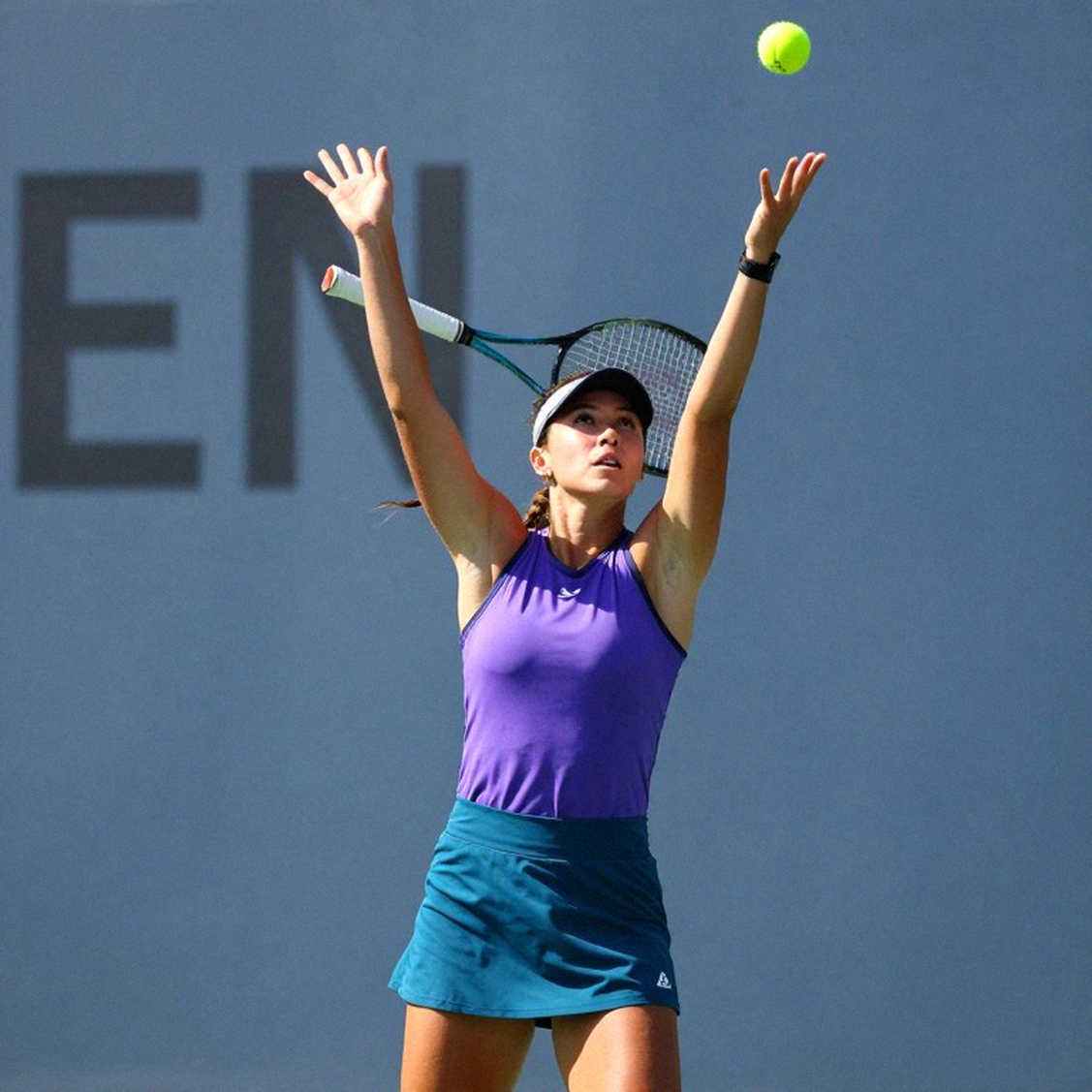
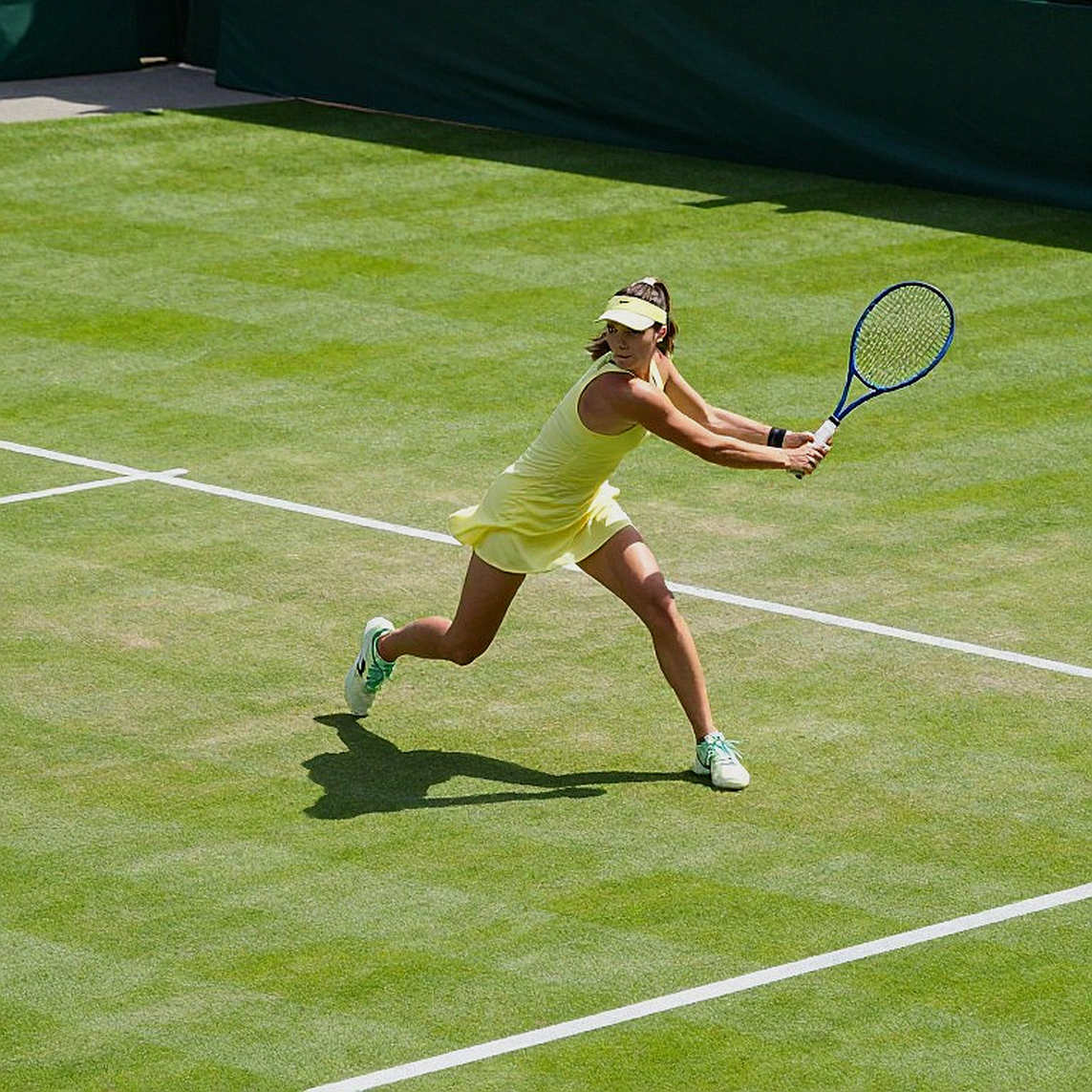
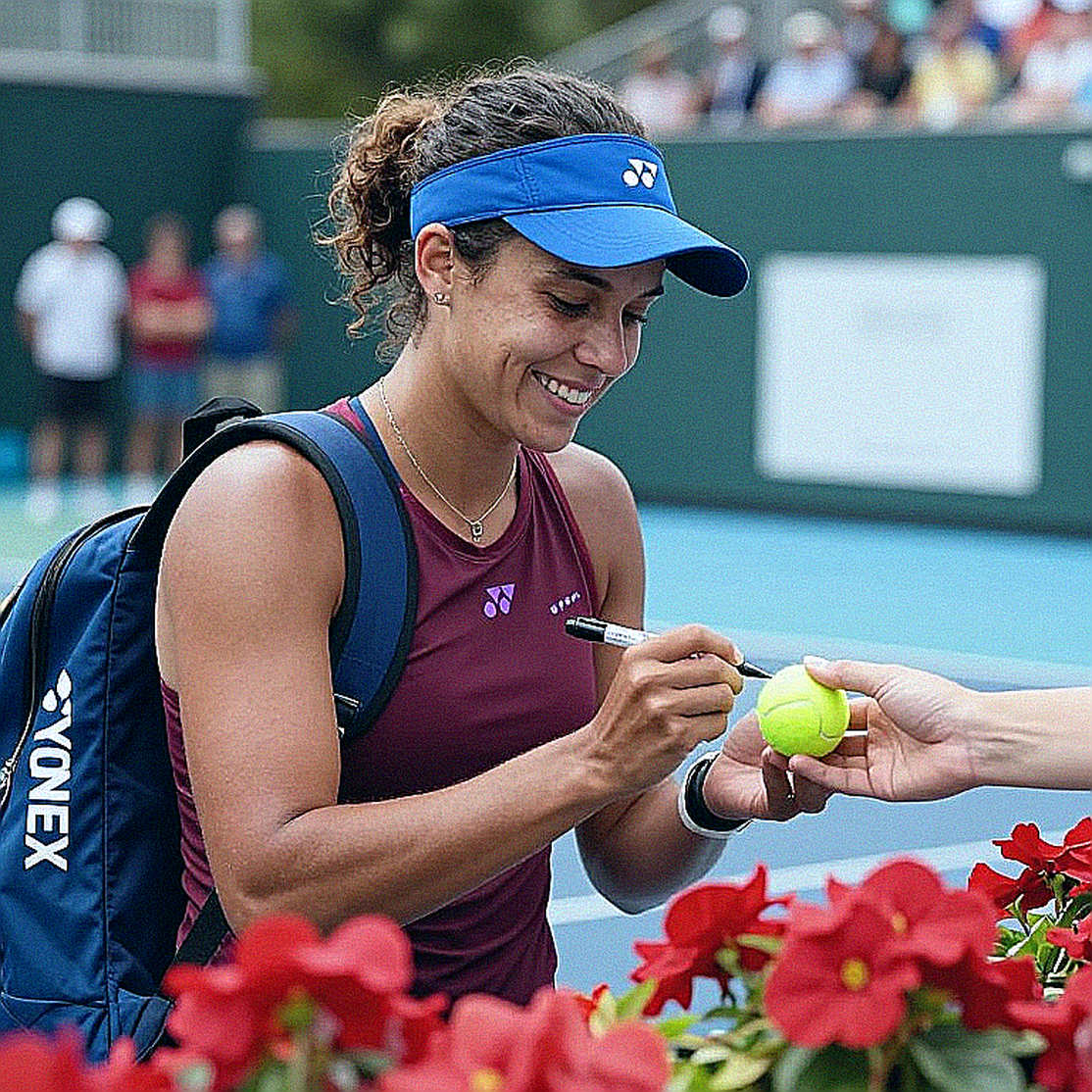
संबंधित खिलाड़ी
अनुशंसित
Indian Tennis's Ledger: 18, 6, 2 — and One Empty File2026-10-29
A Four-Hour Gap and a Six-Month Window: The Part of the Svitolina–Monfils Story That Never Reaches the Scoreboard2026-10-23
Rybakina's Ningbo Title: 76 Minutes, Zero Breaks, and the Number the Press Release Left Out2026-10-26
Medvedev's 25th Title in Almaty: The Number Everyone Watched Was the Wrong Number2026-10-27
An Empty Column Is Not a Clean Bill of Health: The Indian Tennis Ledger Nobody Ever Filled In2026-10-23
The Empty Column: Nine Sections, Twelve Pages, Not One Player's Name2026-10-23
Ningbo's Eleventh Set Point: Rybakina's Real Scorecard Is the Return, Not the Serve2026-10-25
अनुशंसित
Rybakina's Tokyo Withdrawal: The Neck Arithmetic, the Tournament's Inventory, and an Audit of the Report2026-10-31
Slay & Play 2026: 200 Players, 26 Sponsors, Three Categories — and Not a Single Scoreline2026-10-24
Alcaraz's Surface Audit in Vienna, Djokovic's Risk Management in Basel2026-10-23
Gul Ahmed's Capex Story Tagged as Tennis: A 43.75-Acre and 13.5 MW Energy Bet2026-10-27
The Hollow Report Problem in Tennis Analysis: When the Framework Looks Full and the Content Is Zero2026-11-02
A Four-Hour Gap and a Six-Month Window: The Part of the Svitolina–Monfils Story That Never Reaches the Scoreboard2026-10-23
The Empty Column: Nine Sections, Twelve Pages, Not One Player's Name2026-10-23
अनुशंसित
Tennis on the Label, Electric Buses in the Hold: An Autopsy of a Misclassification2026-10-23
Ningbo's 4-6: Kostyuk's Retirement, Muchova's Last Slot — and Swiatek's Empty Chair2026-10-24
Ningbo's Eleventh Set Point: Rybakina's Real Scorecard Is the Return, Not the Serve2026-10-25
Report Not Possible: A Data-First Decision on Empty Input2026-10-27
Stopping Raducanu's Season Is Correct — the Reason Is Bone, Not Ranking2026-10-23
The Register Was Filled, Never Read: Indian Tennis's Unread Injury Document2026-10-24
Rybakina's Ningbo Title: 76 Minutes, Zero Breaks, and the Number the Press Release Left Out2026-10-26