
Pakistan Clinch Tri-Series Title Against Sri Lanka — Fakhar Zaman's 12th ODI Century and Saad Baig's Maiden Fifty Anchor the Win
पाकिस्तान ने लाहौर में श्रीलंका को हराकर त्रिकोणीय वनडे सीरीज़ जीती। फखर ज़मान ने 99 गेंदों पर 127 रन बनाए (128.3 स्ट्राइक रेट, 11 चौके, 6 छक्के, 12वां वनडे शतक) और साद बेग ने 75 गेंदों पर 74 रन बनाए (98.7 स्ट्राइक रेट, पहला वनडे अर्धशतक)। पाकिस्तान का स्कोर 36.5 ओवरों में 230/5 था। बाबर आज़म 0 रन और माज़ सादक़त 5 रन पर आउट हुए — यानी टीम के टॉप तीन ने मिलकर केवल 5 रन जोड़े। जीत वास्तविक है, लेकिन यह टॉप-ऑर्डर की नाज़ुक स्थिति को छुपाती है, और लक्ष्य, गेंदबाज़ी आंकड़े, और मैच की तारीख उपलब्ध जानकारी में नहीं हैं (सत्यापन लंबित)।
In the deciding match of the tri-nation ODI series in Lahore, Pakistan defeated Sri Lanka to lift the title. Two innings stood out above everything else — opener Fakhar Zaman's 127 off 99 balls, his 12th ODI century, and young batter Saad Baig's composed 74 off 75, his maiden ODI half-century. These knocks not only gave the team a substantial partnership but also demonstrated how the Pakistan batting line-up can rebuild after early losses. Yet despite the win, the most important data point of the match is that the top three contributed only 5 runs between them — meaning this was not the product of a balanced batting unit but of one exceptional individual innings and one young batter's first meaningful knock.
Early Wickets and the Rebuild
The hosts got off to an inauspicious start. The first wicket fell at 5 and the second followed without a substantial score being added. Babar Azam, walking in at No. 3, returned without scoring, while Maaz Sadaqat was dismissed for 5. In effect, two of the top three contributed only 5 runs between them. Such a situation demands a solid partnership, and for Pakistan that responsibility fell to Fakhar Zaman and Saad Baig. Their stand carried the innings to 230/5 at the 36.5-over mark, meaning 13.1 overs of the chase remained. The target, however, is not stated in the available information, so it is impossible to assess whether that score was ahead of or behind the required rate. What was called a "daunting total" remains the author's framing rather than a verified number.
Fakhar Zaman's Aggressive Knock
Fakhar struck 11 fours and 6 sixes in his innings. Of his 127 runs, 80 came from boundaries — approximately 63 per cent of his total. His strike rate of 128.3 across 99 balls is exceptionally aggressive for a top-order ODI innings, well above the modern benchmark of 90–100 for a rebuilding knock. Notably, 17 of his 99 deliveries were hit for four or six, meaning the aggressive intent was sustained throughout rather than being a late-overs surge.
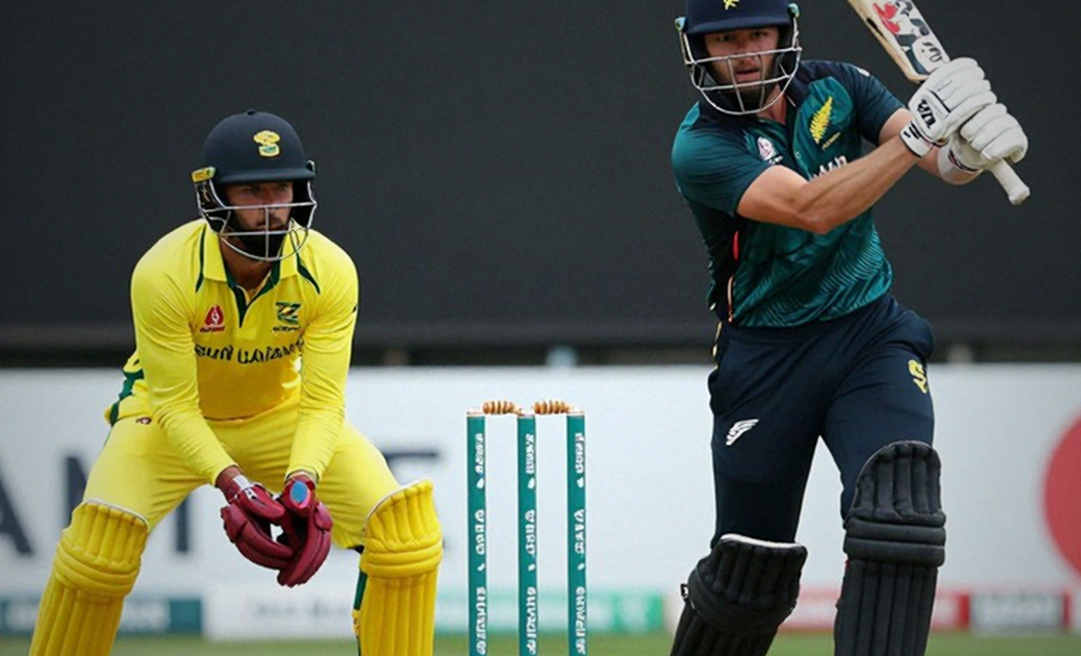
His 12th ODI century establishes him among the small group of Pakistani batters with sustained multi-year ODI output — a signal of longevity and career maturity rather than an isolated peak. There is a second dimension worth noting: with 80 runs from boundaries and only 47 off the remaining 82 balls, his innings was boundary-dependent rather than rotation-heavy. That profile is highly valuable in a chase with a high required rate, but it is also streak-dependent. On slower surfaces, or against an attack that takes pace off, the same approach produces a lower floor.

Saad Baig's Measured Fifty
Saad Baig's 74 off 75, striking at nearly a run a ball, is arguably the more structurally informative innings. It demonstrates temperament under the pressure of early wickets — a support role that did not waste deliveries. It was his first ODI fifty, making it a meaningful marker in his career. However, it came on home soil and against a bowling attack whose quality cannot be verified from the available information, so no firm conclusion about his ceiling should be drawn. Treating one home innings as evidence of a settled international future would be premature; his game needs to be sampled away from home and against quality spin before any narrative of a permanent promotion can be accepted.
Top-Order Fragility: The Story Behind the Win
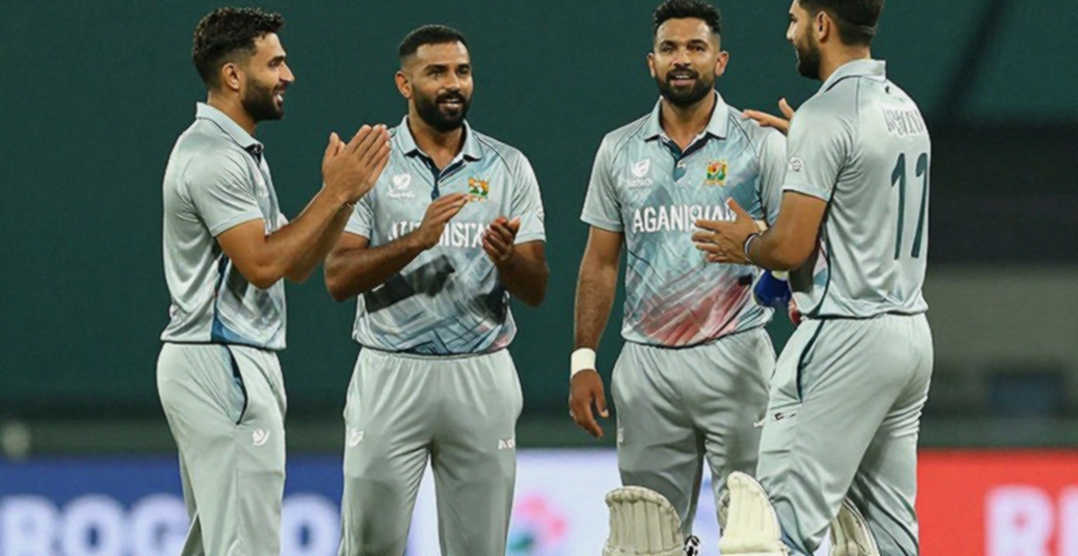
Despite the victory, the most important data point is that the top three contributed only 5 runs between them. In other words, a 127-run century and a 74-run half-century covered for a top-order collapse. The claim that Pakistan's batting "delivered on all fronts" is not supported by the article's own numbers. This is a clean case of a result-driven headline outrunning process-level evidence. What this really is, structurally, is a rescue-and-accelerate ODI innings — not a top-order-dominated one.
Bowling and Missing Details
The available information does not include Pakistan's bowling figures, Sri Lanka's innings, the target, the toss result, or the match date. Nor does it specify whether this was a tri-series final or a league fixture. The 230/5 score at 36.5 overs is recorded, but without the target it is impossible to say whether the chase was difficult or comfortable. The result is genuine, but the "daunting" framing is the author's, not a number. The absence of any mention of weather, dew, or Duckworth-Lewis-Stern suggests the match was played without interruption — a rain-affected game would almost certainly have referenced a revised target.
On Babar Azam and Maaz Sadaqat
Treating Babar Azam's single duck as a form verdict would be a textbook small-sample trap. It is one dismissal, not a trend. Similarly, Maaz Sadaqat's 5 runs provide insufficient information for any assessment. Any conclusion about either player demands a far larger sample than a single match can provide.
The Value of Hosting
Playing before home supporters in Lahore was a natural advantage. After a long absence of international cricket in Pakistan, hosting a multi-nation ODI series and winning it matters not only on the field but also in terms of organisational capacity. Home international cricket unlocks broadcasting rights, sponsorship, and ticketing revenue for the Pakistan Cricket Board. This hosting dimension is arguably as important as the trophy itself. Such a series may also serve as a preparation block ahead of larger ICC events, where workload and team combinations are tested.
Risks and Future Challenges
Despite the win, a structural risk persists. The team's victory rested on one senior batter's exceptional innings and one young batter's first meaningful fifty. The open question is what Pakistan's strategy looks like if the top order keeps falling cheaply.
The second risk is that home-condition success cannot simply be replicated abroad. Every data point in this match was produced in Lahore. These figures should never be merged with away ODI splits, and Saad Baig's innings needs away and against-quality-spin samples before any role expansion narrative is accepted.
The third risk relates to the age curve of the senior core. Fakhar Zaman's 12th ODI century proves he can still perform at the highest level, but succession planning for the opener slot will loom over Pakistan's selectors in the coming years. A fourth risk sits at the narrative level: the headline says "clinched," while the available detail stops at 230/5 at 36.5 overs. If that gap is ignored, Pakistan's batting fragility will be priced out of the picture.
Conclusion
Pakistan's win is real and should not be understated. Fakhar Zaman's 127 at a strike rate of 128.3 and Saad Baig's 74 lifted the team out of a difficult position. But it is equally true that the top order's performance was concerning, and the win hinged on one exceptional innings and one young batter's breakthrough knock. It should not be read as evidence of a settled batting unit. If Pakistan is to succeed in future challenges, top-order stability and succession planning for the senior core must be the top priorities. Before treating this result as a signal of lasting stability, the next few ODIs need to be watched closely.